Conan the Wanderer: Complete Era Guide, Essential Stories & Character Evolution

Disclosure: This post is reader-powered and contains affiliate links. If you click through and make a purchase, I may earn a commission at no additional cost to you.

“A man’s life is not measured in years, but in deeds.” – Pliny the Younger
I think the Wanderer Era stands among the most defining periods in Conan the Barbarian’s timeline.
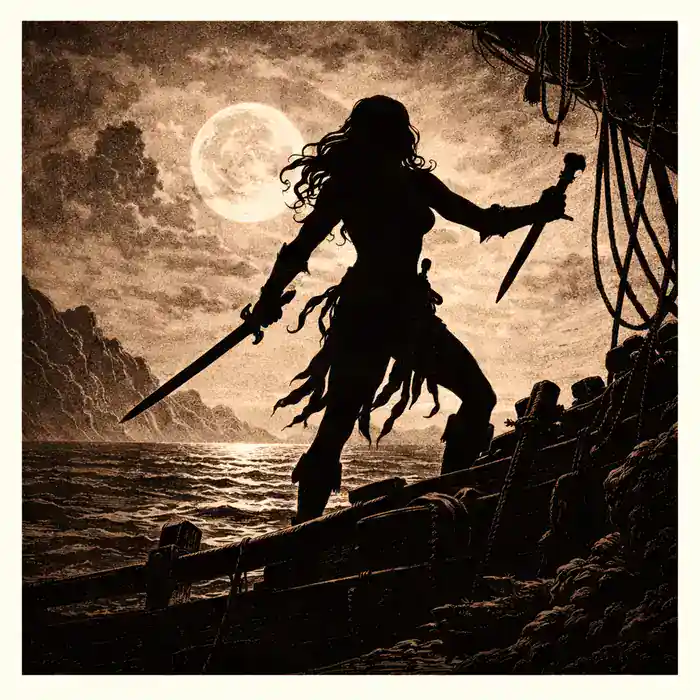
Following the loss of Bêlit, the pirate queen, Conan roams the Hyborian Age as a swordsman-for-hire, monster slayer, mercenary, and reluctant hero.
He spends a lot of time in Kush and the Africa-inspired Black Kingdoms of the Hyborian Age.
It’s an era of loss, transformation, and hard-won wisdom, bridging his restless youth and the wisdom of kingship.
Table of Contents

What Is the Wanderer Era?
The Wanderer Era represents Conan’s years of rootless travel across kingdoms and ruins after his Corsair days. Everywhere he goes, he faces sorcery, betrayal, and political intrigue – but also some self-discovery.
Common themes include:
- Haunted isolation after Bêlit’s death
- Supernatural horror and ancient ruins
- Political and moral dilemmas
- Growing wisdom and pragmatism
- The tension between barbarism and civilization
Where the Wanderer Era Fits in Conan’s Life
Although there is plenty of healthy debate on Conan’s internal chronology, I place the Wanderer Era after his time as a corsair.
Conan’s Life Order
- Cimmerian Youth
- Thief Era
- Mercenary Era
- Corsair Era
- Wanderer Era
- Pirate
- Freebooter
- Soldier / General
- King Conan
The Wanderer Era deepens his identity, teaching him tactics, leadership, and empathy – all traits that shape his later rise to kinghood.

Key Robert E. Howard Stories of the Wanderer Era
Only a few original Robert E. Howard stories directly depict this phase, but they define its tone and spirit.
The Snout in the Dark often finds itself at the bottom of best of Conan books, and I totally disagree.
I thought it was a solid story, and very fitting to the Wanderer time. Where else do we see giant killer pigs in the middle of the night?!
1. The Snout in the Dark
Status: Fragment by Howard, completed by L. Sprague de Camp & Lin Carter
Comic Adaptation: Conan the Barbarian #106–107 (Marvel)
In the jungles of Kush, Conan becomes entangled in royal assassinations and faces a supernatural creature stalking the night.
Why it defines the era: A perfect Wanderer story – blending political intrigue, dark sorcery, and Conan’s inner turmoil after losing Bêlit.
2. The Shadow of the Beast
Status: REH fragment completed by Roy Thomas
Comic Adaptation: Conan the Barbarian #114
An eerie, atmospheric story that plunges Conan into solitude and terror in a cursed land.
Why it defines the era: Emphasizes Conan’s distrust of magic and growing loneliness – a warrior coming to grips with mortality.
3. Hawks Over Shem
Status: Adapted from an REH historical tale by L. Sprague de Camp
Comic Adaptation: Savage Sword of Conan #36
Conan becomes a mercenary caught in espionage and palace conspiracies.
Why it defines the era: Reveals his evolving strategic mind and emerging political acumen – foreshadowing his future as a general.
For a full guide to the Conan books start here.
How These Stories Were Adapted Into Comics
Canon Wanderer Adaptations
- The Snout in the Dark – Conan the Barbarian #106–107
- The Shadow of the Beast — Conan the Barbarian #114
- Hawks Over Shem — Savage Sword of Conan #36

These comics represent the core canonical adaptations of the Wanderer Era.
High-Quality Pastiche Comics Worth Exploring
These are not by Howard but respected among fans for capturing the right tone and world:
- Valley of Forever Night (Conan the Barbarian #118–120) — a haunting jungle tale of loss and magic.
- Mud Men of Keshan (Savage Sword #111) — an oppressive, horror-infused adventure.

For a full guide to the Conan comics start here.
To start collecting right away I would recommend one of these:
Conan the Barbarian Omnibus 4 (end of Corsair era, beginning of Wanderer)
Savage Sword of Conan Omnibus 3 (Hawks over Shem)

Conan’s Personality in the Wanderer Era
Haunted but Resilient
After Bêlit’s death, I think Conan becomes more introspective and hesitant to form attachments.
He travels through deserts, jungles, and haunted ruins with a grim determination.
Growing Wisdom
This is when Conan learns patience and discretion. He becomes:
- Politically aware
- Wary of wizards and priests
- Observant of human nature
- A strategist who calculates before striking
A Multicultural Adventurer
During this period, Conan gains a wide understanding of Hyborian cultures:
- He learns new languages, tactics, and survival lore
- Masters local customs and superstitions
- Encounters cults, demigods, and sorcerers across continents
His grasp of language learning is incredibly impressive. I speak two languages and that’s more than challenging enough. I’m not sure my brain could cope with a third. It’s another sign that our favourite barbarian is both brains and brawn.
The Birth of a Moral Code
Though he often claims to fight only for gold, Conan repeatedly risks his life for justice, truth, or compassion.
He punishes tyrants, defends innocents, and spares enemies when honour demands it. His personal code forms here – pragmatic and sometimes noble.
One caveat I will make is that a lot of this growth is from the Conan comics, not the original stories from REH. That means it cannot truly count as canon and has been shaped by other writers.
Conan the Barbarian Omnibus 5 (continuation of Wanderer)
Best Comics to Read for the Wanderer Era
| Type | Title & Issue | Why It Matters |
|---|---|---|
| REH Fragment | Snout in the Dark – Conan the Barbarian #106–107 | Core Wanderer-era story of loss, sorcery, and political intrigue |
| REH Fragment | Shadow of the Beast – Conan the Barbarian #114 | Highlights Conan’s isolation, fear, and growing introspection |
| REH Rewrite | Hawks Over Shem – Savage Sword of Conan #36 | Shows Conan’s developing tactical mind and political awareness |
| Quality Pastiche | Valley of Forever Night – Conan the Barbarian #118 | Haunting atmosphere and classic Wanderer-era tone |
Why the Wanderer Era Matters
The Wanderer Era is the turning point in Conan’s mythology. During this phase, he becomes wiser and more worldly, hardened by loss yet increasingly introspective.
His experiences sharpen his moral awareness despite his cynicism, refine his abilities as both fighter and commander, and leave him deeply conscious of the dangers posed by sorcery and the supernatural.
This is Conan’s crucible, shaping him into the seasoned warrior who will one day lead armies and seize the throne of Aquilonia.
In the Wanderer Era, he is at once man and myth – scarred, free, and unbroken.
Overall, I think wandering time of Conan’as life is very important. It makes him a better mercenary (Conan Mercenary Guide here) and we can see many important lessons from his youth era being utilised (Conan Youth era guide here).

Frequently Asked Questions
What Is the Wanderer Era in Conan’s Life?
It’s the period after his Corsair adventures when Conan travels alone through the Hyborian lands, working as a mercenary, thief, scout, and monster-hunter.
Which Robert E. Howard Stories Belong to This Era?
The Snout in the Dark, The Shadow of the Beast, and Hawks Over Shem are the direct or partial Howard sources for this phase.
What Defines Conan’s Character During the Wanderer Era?
He’s haunted by loss but grows sharper, wiser, and more compassionate beneath his hardened exterior.
What Are the Best Comics to Read for This Era?
Key issues include Snout in the Dark (CTB #106–107), Shadow of the Beast (CTB #114), and Hawks Over Shem (SSOC #36).
Why Is the Wanderer Era Important to His Development?
Because this is where Conan matures — the raw barbarian becomes a man tempered by wisdom, pain, and purpose.